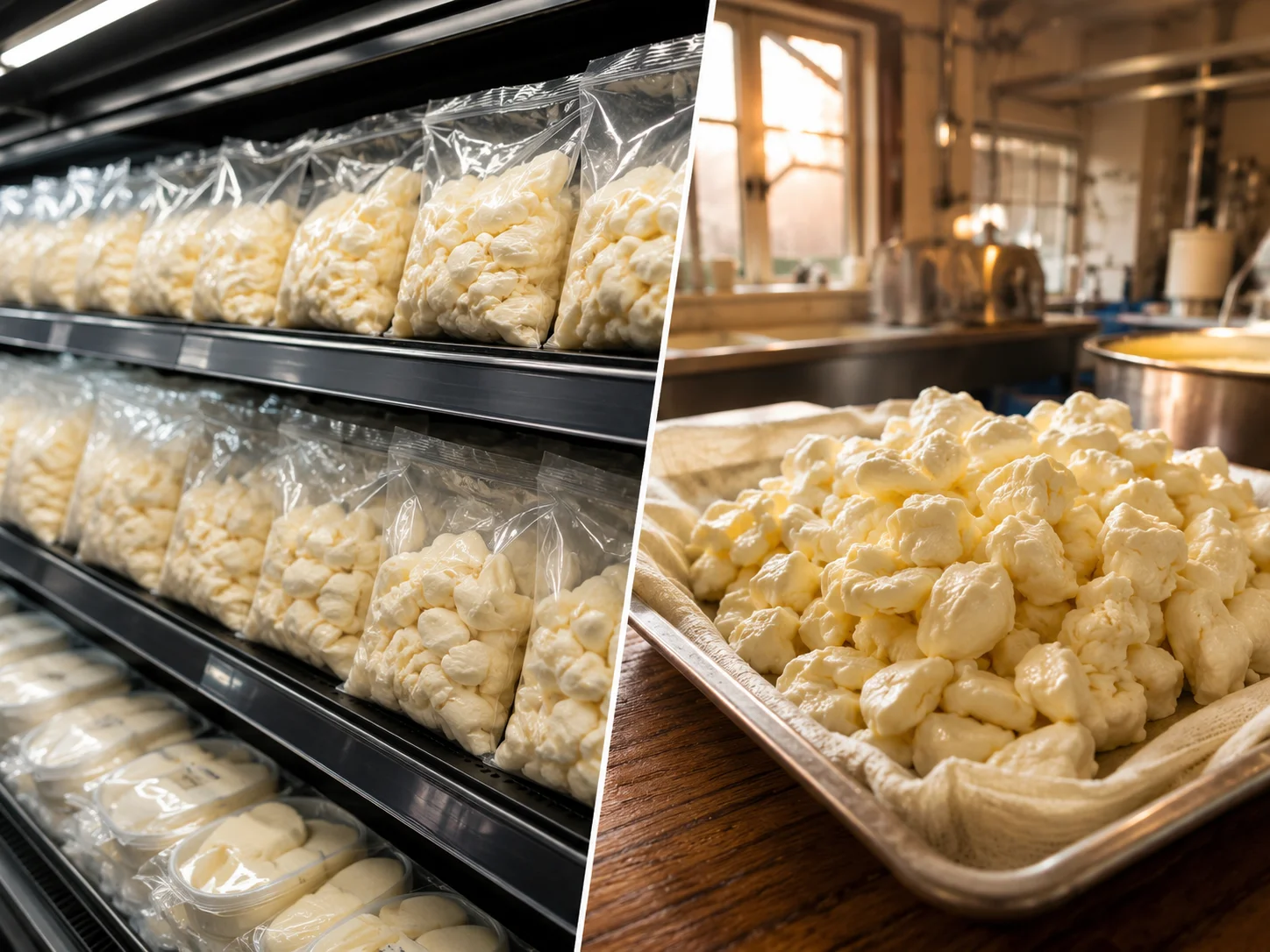
Fresh, for a cheese curd, means within seven days of the make date. Not within seven days of the package date. Not within the printed sell-by date. Not according to the front of the bag. Seven days from the moment the curd left the vat at the creamery. This is the only definition of fresh that matters. Every product sold as fresh cheese curd should be tested against this definition, and most that fail should be classified as something other than fresh, regardless of how the bag is marketed.
Cheese curds outside the seven-day window are not bad food. They are good young cheddar that has stopped being fresh cheese curd. The cheese is the cheese. What changes after seven days is the structural property the freshness pillar exists to protect: the squeak, the bounce, the milky sweetness that fades as the protein matrix relaxes. You are still eating cheese. You are not eating fresh cheese curd. The label that calls it fresh is being imprecise.
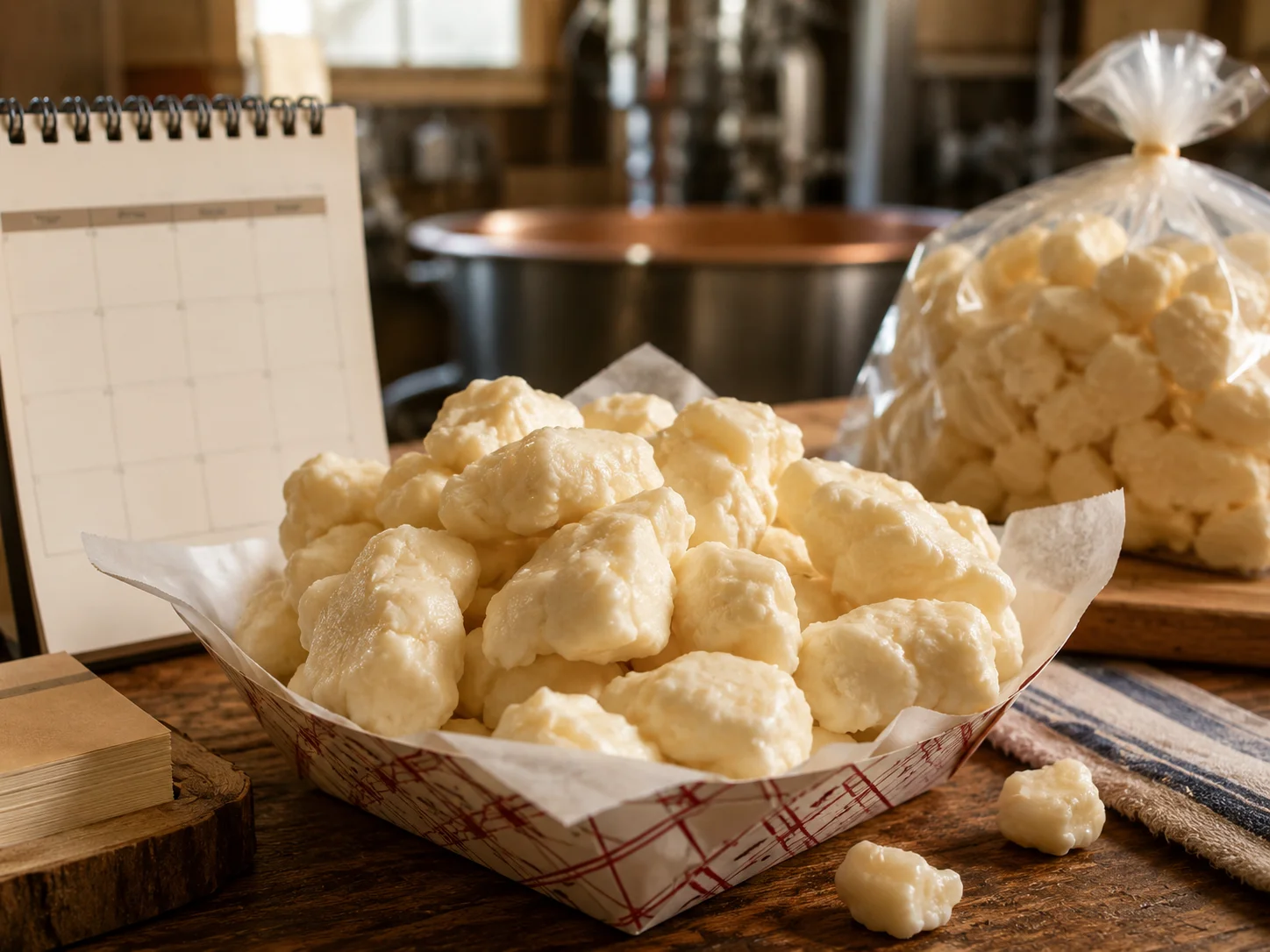
This guide is for the reader who specifically wants the fresh-curd experience. If you are buying curds for cooking (poutine, mac and cheese, fried curds for a party), freshness is less important; the cooking process masks the textural changes that come with age. If you are buying curds to eat fresh by hand, freshness is the entire point and worth working to verify.
Where to actually find fresh curd.
The creamery counter (same-day)
Wisconsin creamery retail counters · 14 in our directory
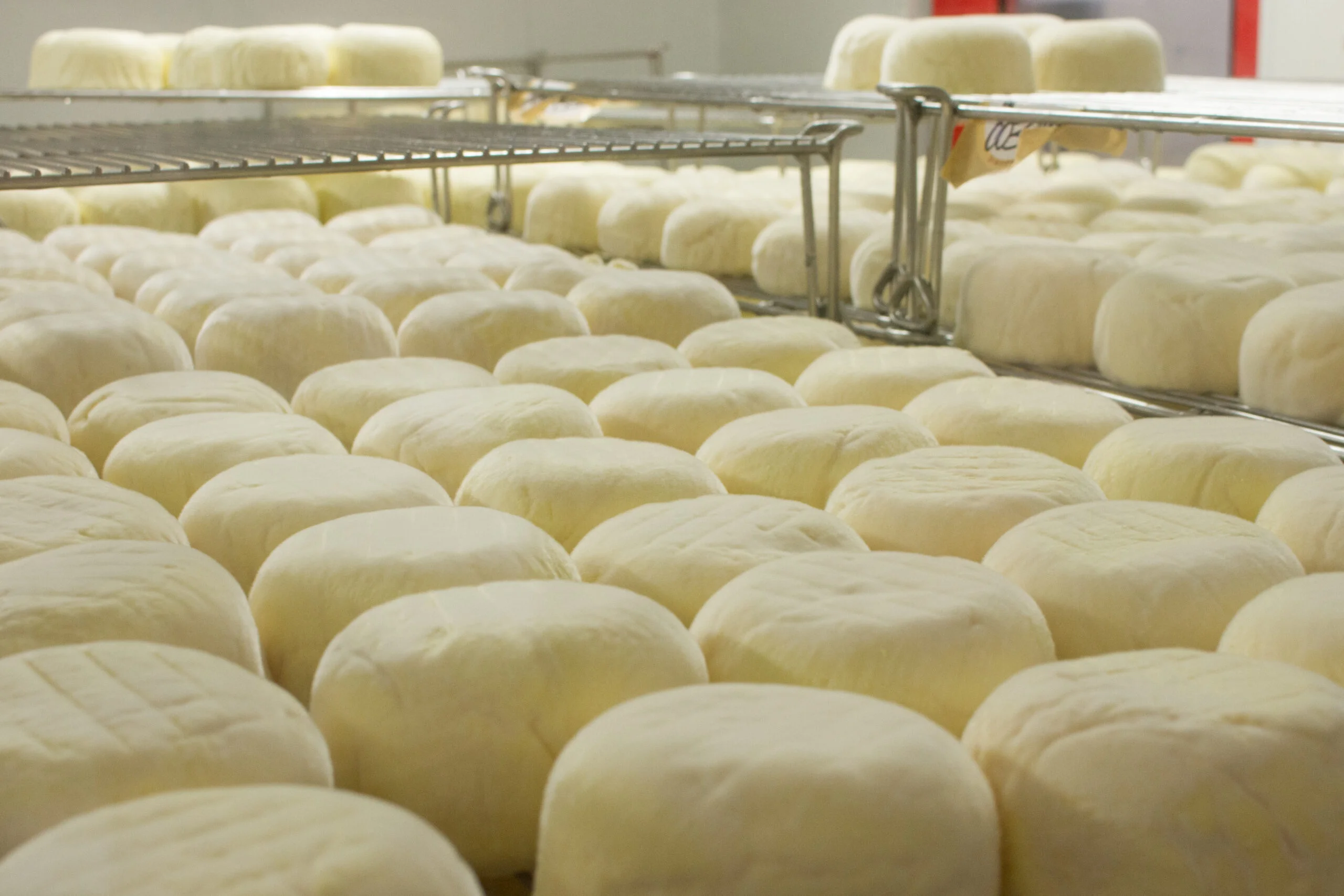
Buying curds at the retail counter of the creamery that made them, on the same day the curds were produced, is the freshest possible cheese curd experience. The cheese is on day zero of the seven-day clock. The squeak is at maximum. The texture is at peak elasticity. This is the experience that all other fresh-curd buying approximates. If you can get to a Wisconsin creamery, this is the best option, period.
- Day zero of the fresh clock
- Maximum squeak and texture quality
- Wisconsin cheese curd brands listed in our maker directory
- Most counters open Tue-Sat, mornings best
- Some creameries also have viewing windows onto the make floor
Specialty cheese shops (with fast turnover)
Major US metros · 5-7 day turnover required
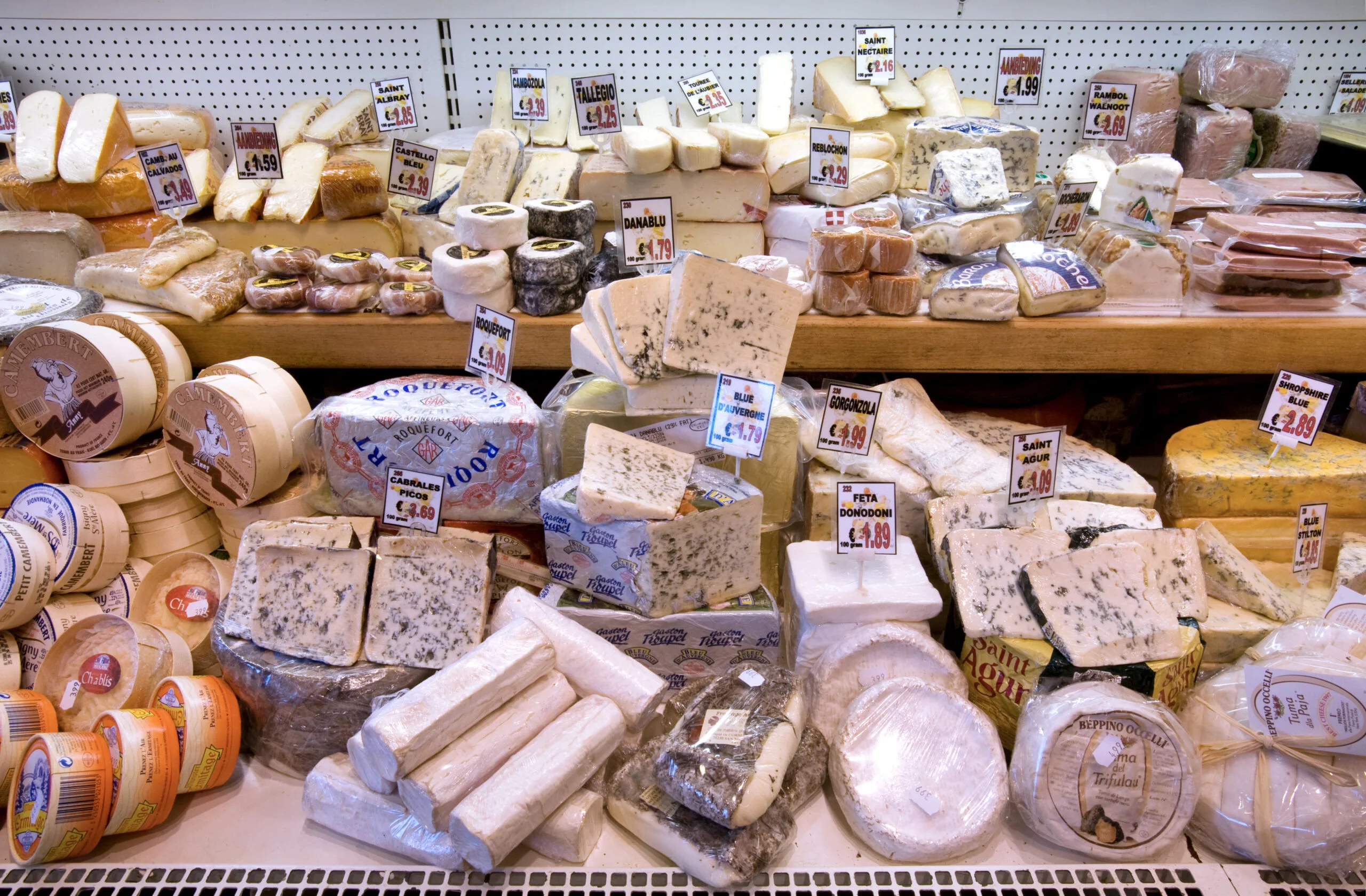
Specialty cheese shops in major US metros are the most reliable non-Wisconsin source for fresh cheese curd. The criterion that matters is inventory turnover. A specialty shop that sells through its curd inventory in 3-5 days is providing fresh curd. A shop with slower turnover is providing curd that has aged past the fresh window. Ask the cheesemonger when the curds came in. The good shops will tell you.
- Murray's Cheese (NYC, Greenwich Village)
- Pastoral Artisan Cheese (Chicago, multiple locations)
- France 44 Cheese Shop (Minneapolis)
- Cowgirl Creamery (San Francisco Bay Area)
- Verify inventory turnover before purchase
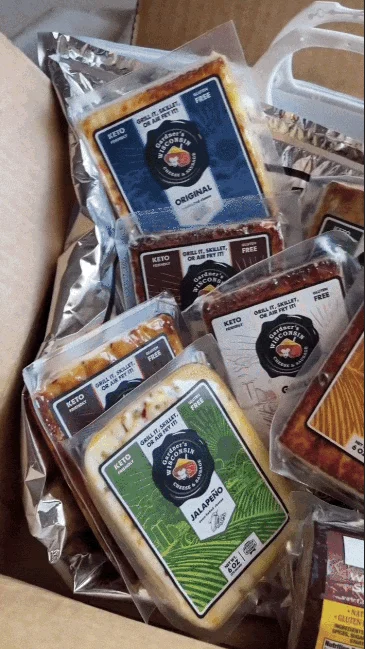
Direct shipping from a Wisconsin creamery
All 48 contiguous states · 2-day air with cold pack
Several Wisconsin creameries ship fresh cheese curd via 2-day air with cold-pack to addresses throughout the continental United States. The make is typically Monday or Tuesday, the ship is the same day or next, the package arrives Wednesday or Thursday. The seven-day clock survives. The customer is on day three of the fresh window when the package arrives. Cost: $25-40 in shipping per order. Worth it for the fresh experience.
- Gardner's, Ellsworth, Burnett Dairy, Renard's, Carr Valley
- Free shipping over $69 at some creameries
- 2-day air, calibrated cold-pack to destination
- Make date printed on the bag
- All 48 contiguous states; some ship to AK and HI
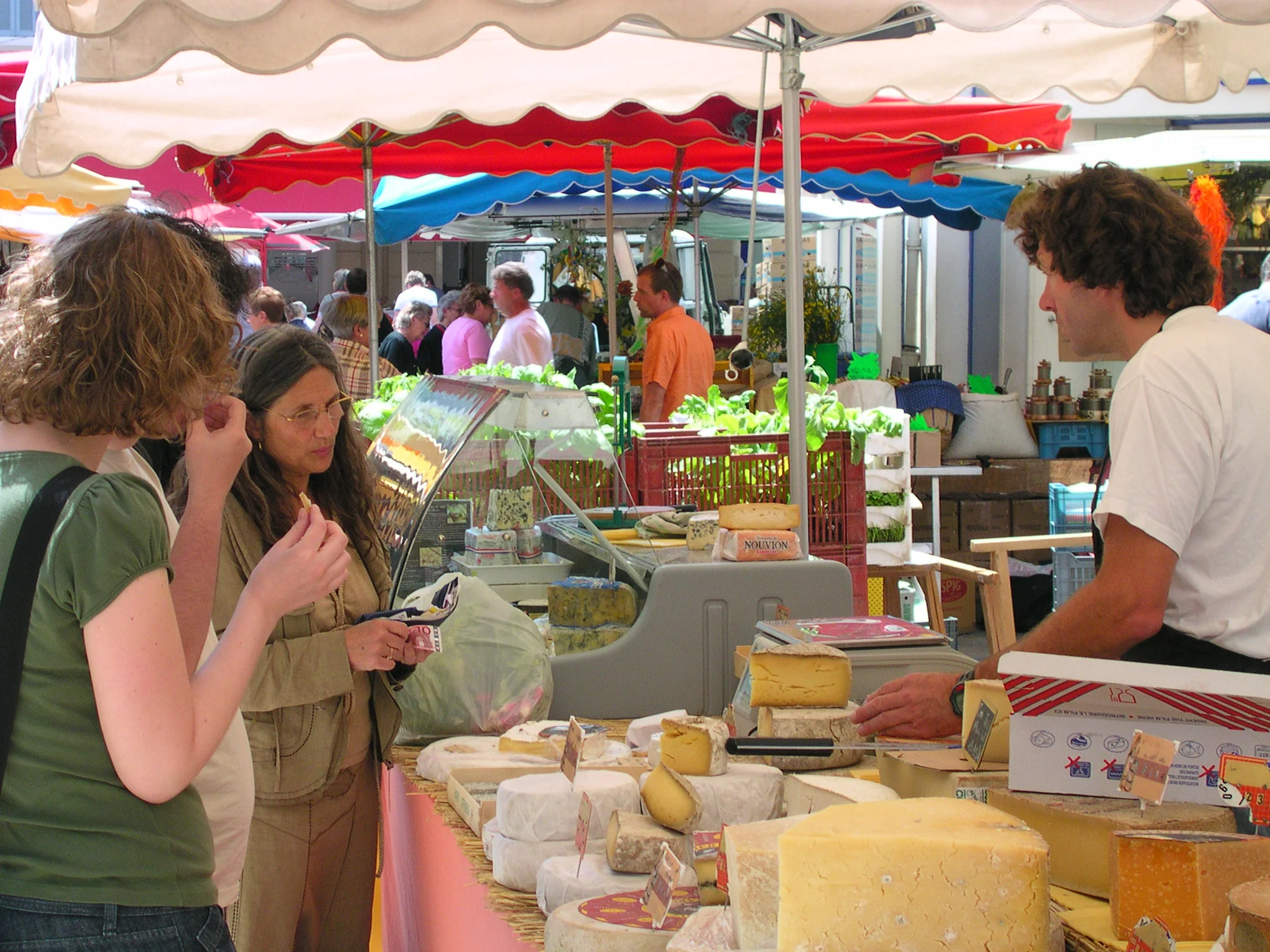
Farmers markets and farm-direct sales
Seasonal · Upper Midwest primarily
Some Wisconsin and Upper Midwest farmers markets host vendors selling cheese curd from licensed Wisconsin creameries. When this option exists, the cheese is typically very fresh (made within 48 hours of the market) and the price is reasonable. The catch is seasonality and geographic limitation: farmers markets run May-October in most of Wisconsin, and the curd-selling vendors are not at every market.
- Madison's Dane County Farmers Market (seasonal)
- Milwaukee Public Market (year-round, smaller selection)
- Several Minnesota and Iowa markets carry WI imports
- Verify the cheesemaker license at the booth
- Best for already-Wisconsin-adjacent eaters
How to test for freshness.
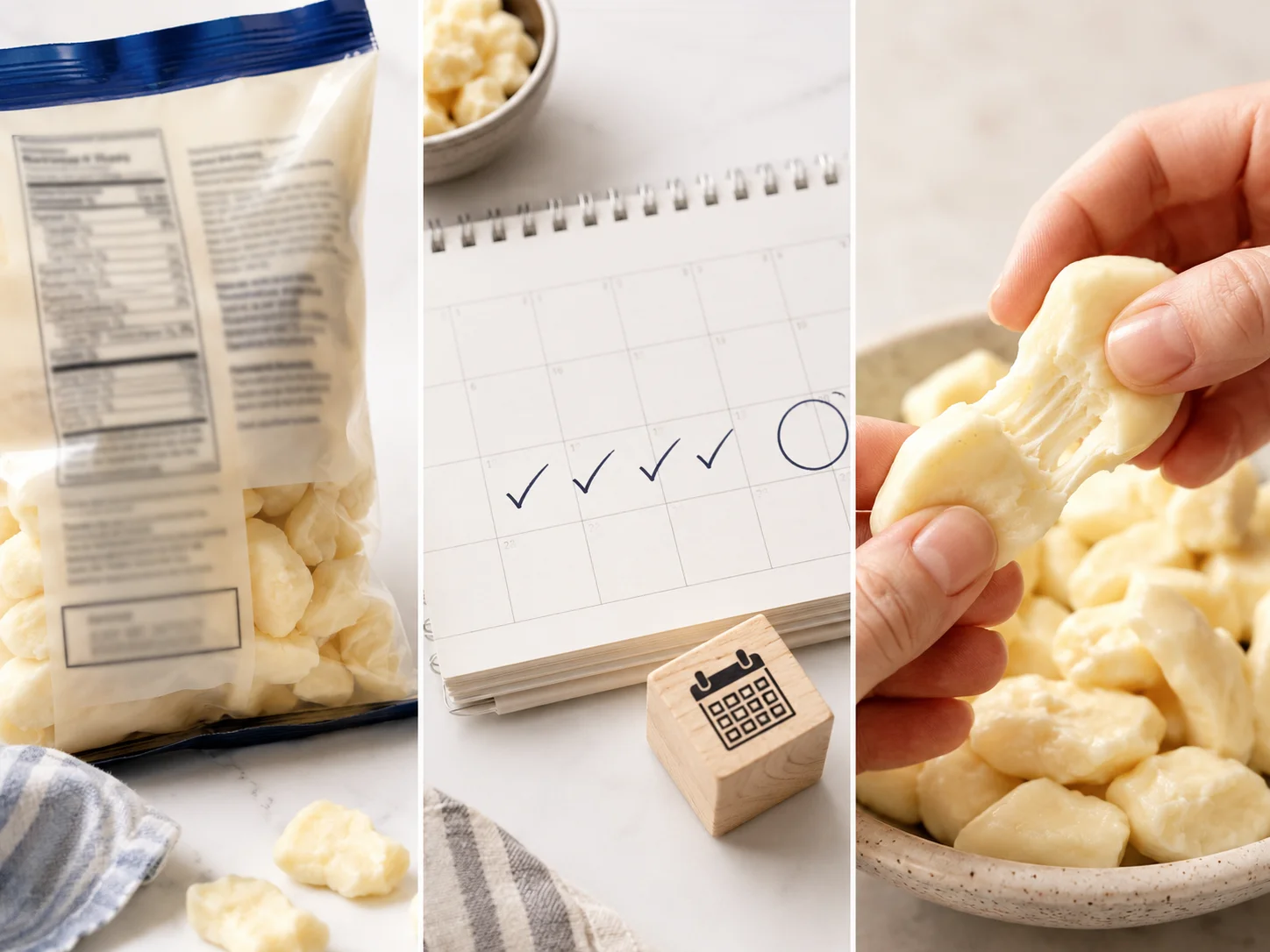
Three tests, in order of reliability. First, the make date. Look at the back of the bag. Find the printed date (usually near the lot number). Subtract from today. If the difference is over seven days, the curd is past fresh. If there is no make date on the bag at all, the producer is hiding information that should be disclosed; treat the curd as suspect. Second, the shelf life. Subtract the make date from the expiration date. If the difference is over 30 days, the product has been engineered for distribution; it is not fresh in the structural sense regardless of front-of-bag language. Third, the squeak test. Bite a curd at room temperature. Fresh curd squeaks. Older curd does not. The acoustic test is the final arbiter and is impossible to fake.
What fresh tastes like.
A real fresh cheese curd within 48 hours of production has a specific flavor profile: mild, milky, slightly sweet, with the soft tang of fresh cheese culture and the faint salinity of properly applied salt. The texture is springy: a curd will bounce slightly between teeth before yielding. The squeak is audible from across the table when the curd is bitten. The flavor is more delicate than aged cheddar; fresh curd is not an assertive cheese. It is a gentle, milky cheese that depends on freshness for its full expression.
Fresh curd is the youngest version of the cheese it would otherwise become. The flavor is the milk, barely transformed.
Why grocery curd is rarely fresh.
Grocery store cheese curds are usually not fresh in the structural sense, even when the package implies freshness. The reason is supply-chain math: grocery distribution requires 60-90 day shelf stability, and a real fresh curd has seven-day useful life. The two requirements are incompatible. Grocery-curd manufacturers solve this by adding stabilizers (cellulose powder, potassium sorbate, natamycin), by using modified-atmosphere packaging, and by accepting that the product in the bag is a different cheese from what would be sold at a creamery counter. The bag may say fresh. The cheese is engineered for shelf life. For full discussion, see the essay on grocery store curds (coming soon).